ARFID Online Diagnostic Clinic

Avoidant/Restrictive Food Intake Disorder Assessment — Australia Wide, via Telehealth

Commencing September 2026

If mealtimes feel like a daily battle, if your child's diet has become so limited you're worried about their nutrition, growth or development, or if you've been told your child is "just a fussy eater" but your instincts say it's more than that, you are not alone, and there is a name for what you might be seeing.

Is your child's eating more than "picky"?
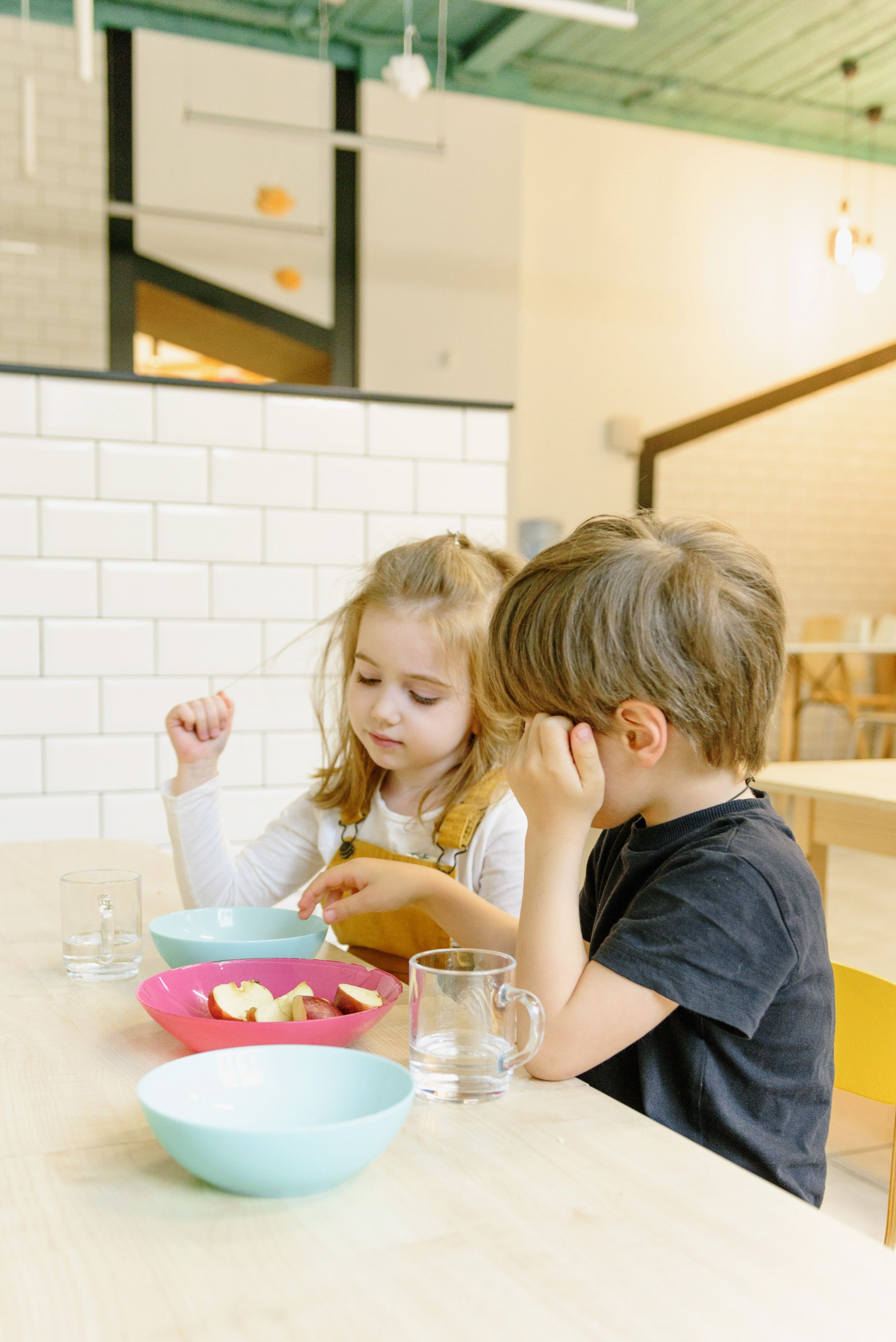
Two children sitting at a wooden table with bowls of apples and glasses of water, in a brightly lit, modern indoor setting with white brick walls and a green ceiling.

What is ARFID?

Avoidant/Restrictive Food Intake Disorder (ARFID) is a recognised eating disorder diagnosis, distinct from anorexia or bulimia, where a child avoids or restricts food, not because of body image or weight concerns, but because of a genuine fear of food, low interest in eating, or sensory sensitivities to taste, texture, smell or appearance.


A young girl with curly hair sitting at a table, resting her hand on her face, wearing a sweater that says 'happy & soft'. There is a blurred party hat and some food on the table, and a large green plant is visible on the left side of the image.
A young child with blue eyes sitting in a high chair, eating food, with some food around their mouth, wearing a bib, and holding a spoon, while an adult male with a beard and red shirt leans over nearby holding a bowl.
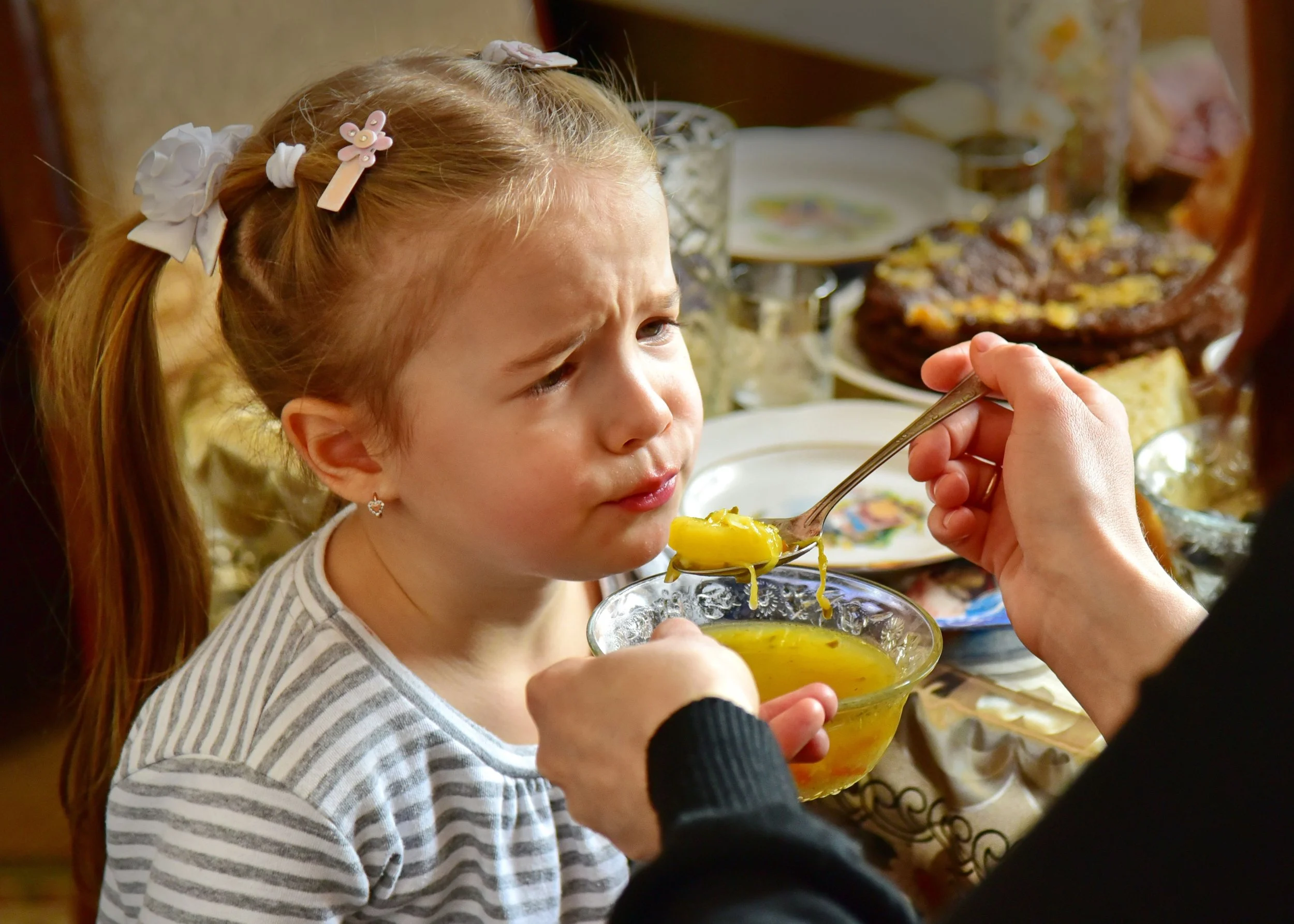
A young girl with blond hair, white bows, and a pink star-shaped hair clip looking at a spoonful of yellow food, likely soup, being held by an adult's hand. The background features a table set with local dishes, glassware, and decorative plates, suggesting a family meal or gathering.

ARFID can affect a child's growth, nutrition, energy, mood, and family life. It is often misunderstood, under-recognised, and families are frequently told to simply "wait it out." Getting an accurate diagnosis is the first step toward getting the right support.

Our Online Diagnostic Clinic brings together specialist Dietetics and Psychology expertise in one coordinated assessment, delivered entirely via telehealth so families anywhere in Australia can access the same specialist care we offer in our Kogarah clinic, without the need to travel.

Led by Simone Wright (Paediatric Dietitian) and Monica Sekowski (Clinical Psychologist), our team works together to look at the full picture: the nutritional impact of your child's eating, and the psychological and sensory factors driving it, giving you a clear, accurate diagnosis and a genuine understanding of what's going on for your child.

Why choose our ARFID Online Diagnostic Clinic?

A smiling woman with blonde hair wearing a white collared shirt against a light green background.
A smiling woman with long brown hair wearing a sleeveless beige top and a gold necklace, posed against a yellow background.

Simone Wright
Paediatric Dietitian with specialist experience supporting children with complex feeding difficulties, restricted diets and nutritional concerns

Monica Sekowski
Psychologist with specialist experience supporting children and families navigating ARFID, sensory-based feeding difficulties, and the emotional impact of restricted eating

What’s included?

  • A 1.5 hour joint diagnostic session with our Dietitian and Psychologist, conducted via telehealth

  • Comprehensive review of your child's feeding, growth, sensory and developmental history

  • Collaborative case conferencing between our Dietetics and Psychology team

  • A detailed written diagnostic report, including findings and recommendations, which can be shared with your GP, paediatrician or other treating team members

Who is this clinic for?

  • Children with a longstanding, significantly limited range of "safe" foods

  • Children who show fear, distress or strong avoidance around new or non-preferred foods

  • Children experiencing weight loss, faltering growth, or nutritional deficiencies related to restricted eating

  • Families who have not yet received a clear diagnosis, or who suspect ARFID but haven't had it formally assessed

  • Families anywhere in Australia seeking specialist input without needing to travel
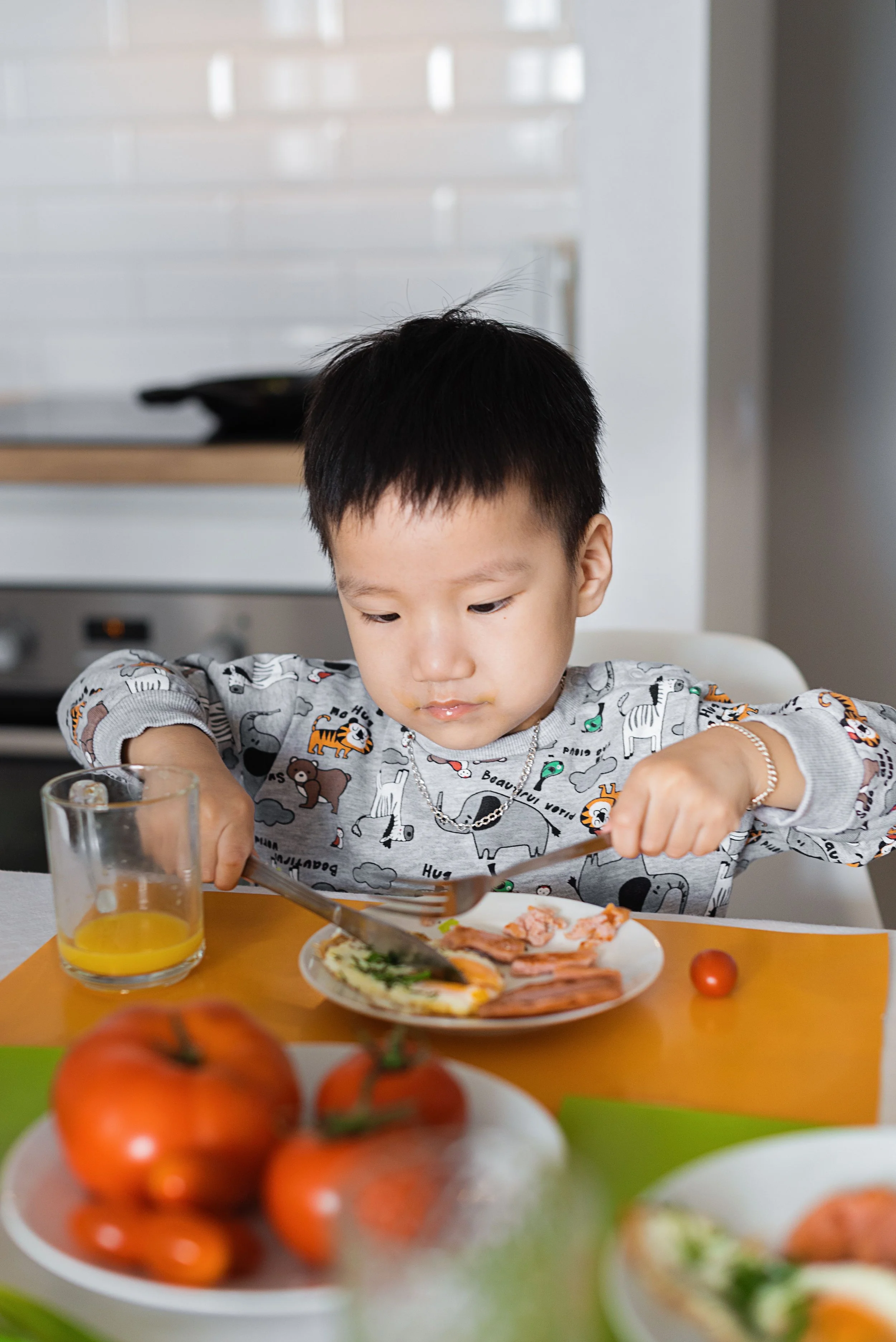
A young boy with short black hair eating breakfast at a table. There is a glass of orange juice and a plate of food including an egg, bacon, and toast in front of him. The background shows part of a kitchen with a white backsplash.

What happens after diagnosis?

Many children seen through our ARFID Online Diagnostic Clinic go on to benefit from ongoing support, including dietetic follow-up and in-clinic Feeding Therapy. If further support is recommended, our team will guide you through the next steps and how to access ongoing care, either with us or with local providers close to home.

Fees: Assessment billed at 3.5 hours per clinician, covering the session, case conferencing and your written report. (Full breakdown available on request.)

Appointments: Mondays, 9:00am · 11:30am · 1:00pm · 3:00pm

Enquire today to check availability and receive our intake form. Our team will be in touch to guide you through the assessment process and answer any questions you may have.

Testimonials

  • My grandson has Autism, ADHD, ARFID, and Anxiety. Through his extremely limited diet he has several very serious vitamin deficiencies which are affecting his bones and his eyesight. Through his ill health we were advised to see Simone Wright (Paediatric Dietitian). She has been an absolute life saver for my grandson and my sanity. She has worked tirelessly to ensure he has all the supplements, and vitamins required to improve his health and keep him well. She is very caring and patient and understanding. I would recommend anybody with any Feeding differences to contact Kids Feeding Specialists.

    J. Barclay

  • Simone was absolutely amazing with my 8 year old daughter. We had been to see many specialists before without any success but when we went to see Simone and implemented her feeding suggestions and ideas around medication, my daughter is like a different child. She has put on weight and has more energy. Simone listened to her complex history and then tackled the issue in a practical and common sense way. I am so grateful and would recommend her to anyone who has a child who is struggling with nutritional issues. She is also very kind.

    G. McDonnell

  • My son has been seeing Kids Feeding Specialists for feeding therapy. I cannot be more happier and thankful for meeting these two amazing women who helped and continue to help my son go from extremely averse to food to now exploring food with his mouth.

    I almost gave up and never thought I’d see my son put food in his mouth. Within weeks of seeing them my son started to show interest with his oral feeding.

    They are very supportive and attentive to each child and their individual needs. They catered for my son very precisely to his specific needs.

    Thank you Kids Feeding Specialists, you are work of magic.

    S. Alsalman

  • Simone, Amanda and Mearelle have been miracle workers with my little girl. For the first time I felt like my concerns were listened to. With their support my girl (18 months old) has successfully been weaned off her NG tube and I can’t thank them enough.

    E. Taylor

Enquire now

A young child holding a yellow plastic frame with sliced banana inside, covering their face.
A young child with curly brown hair wearing a gray knit hat and blue sweater eating a yellow snack stick, sitting at a table with a blue divided plate containing cookies and cereal, in a room with a wooden cabinet and white walls.
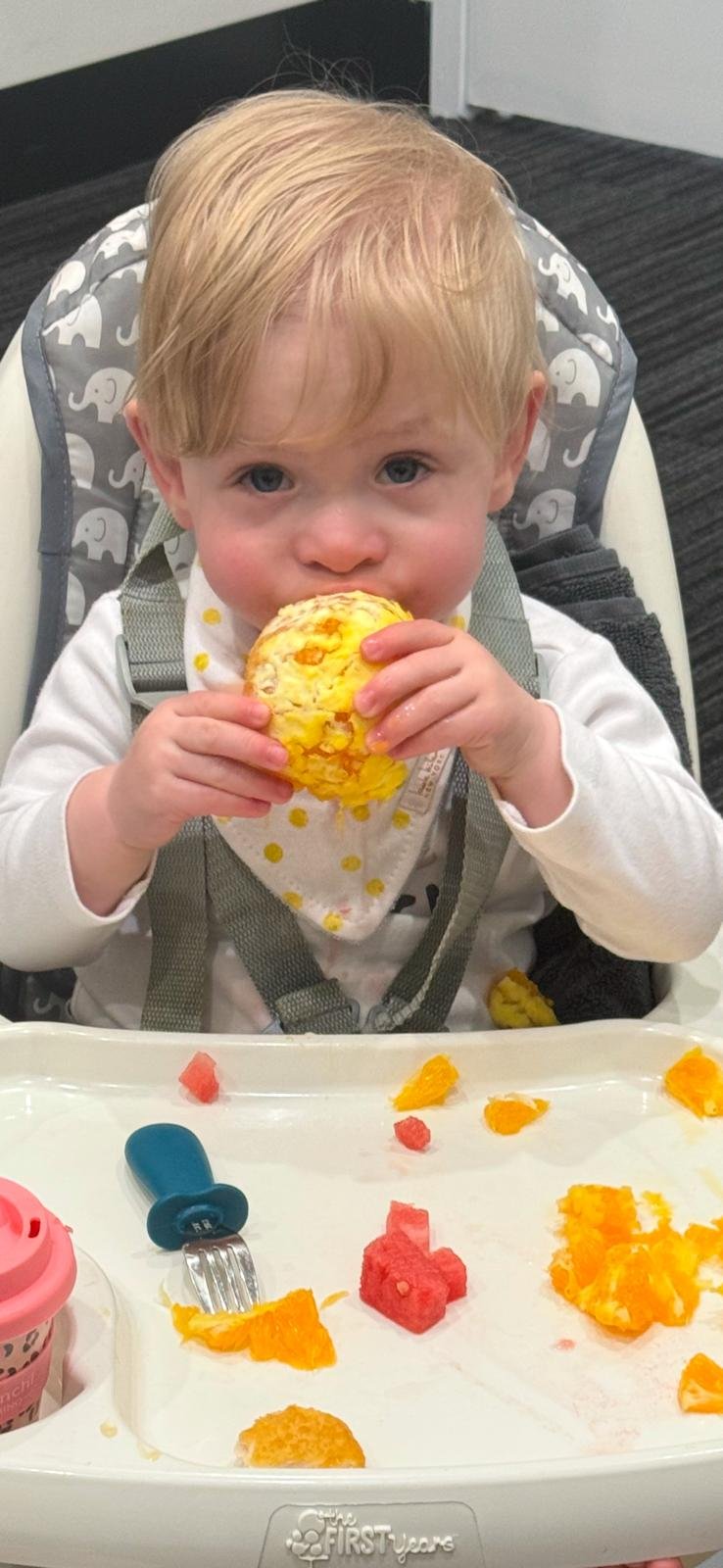
A young child with blonde hair and blue eyes sitting in a high chair, eating food with orange and red chunks on a white tray. The child is wearing a white shirt and a bib with yellow spots.
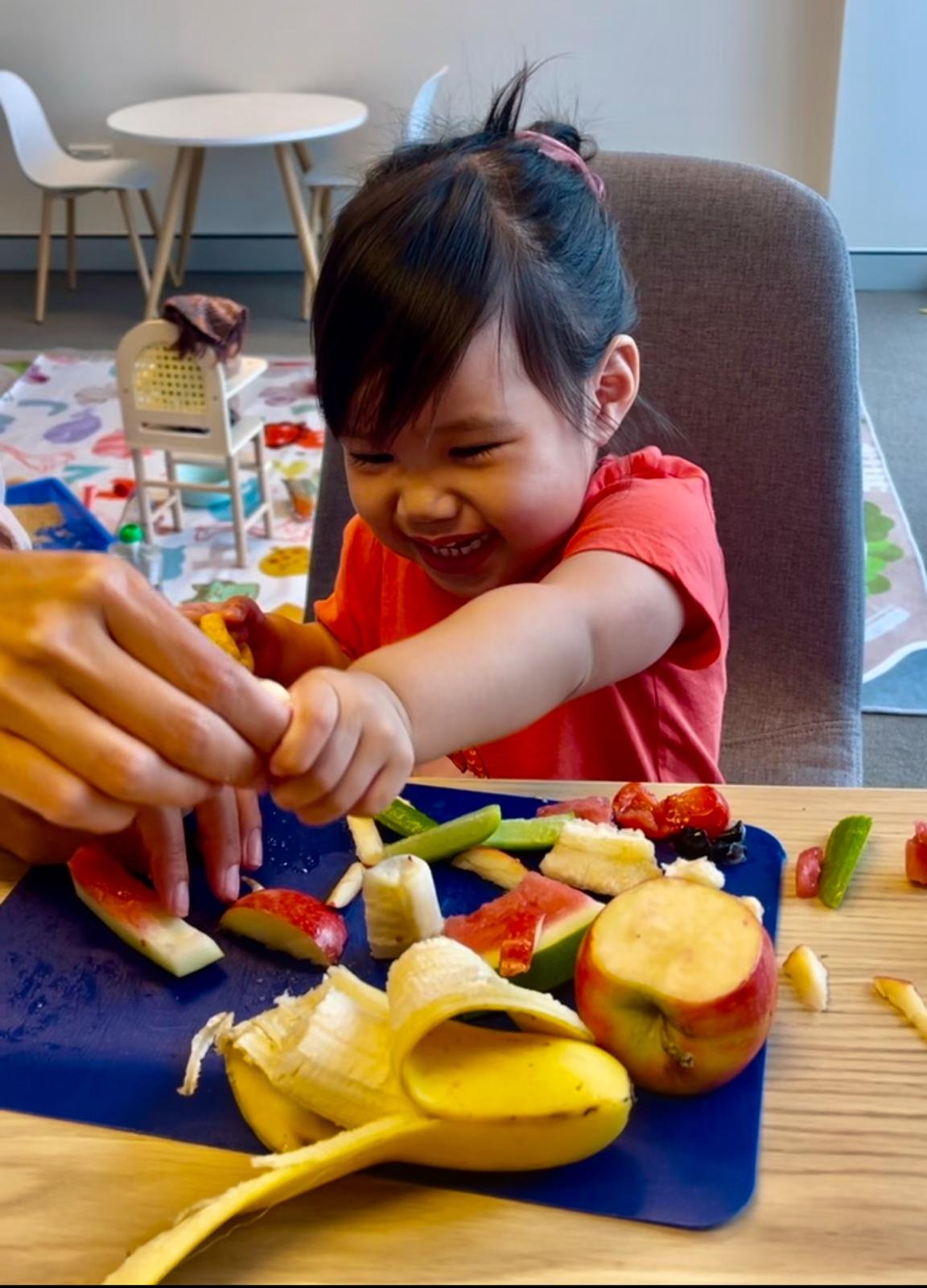
A young girl with short dark hair tied with a pink hairband, smiling and laughing as she interacts with an adult while sitting at a table filled with chopped fruit including bananas, apples, and other fruits.
A young girl with brown hair and blue eyes sitting at a table with an orange in her hand, peeling it. Oranges and orange peels are on the table, with some orange zest. In the background, toys and a chair are visible.
A woman breastfeeding a young boy who is lying on her lap.